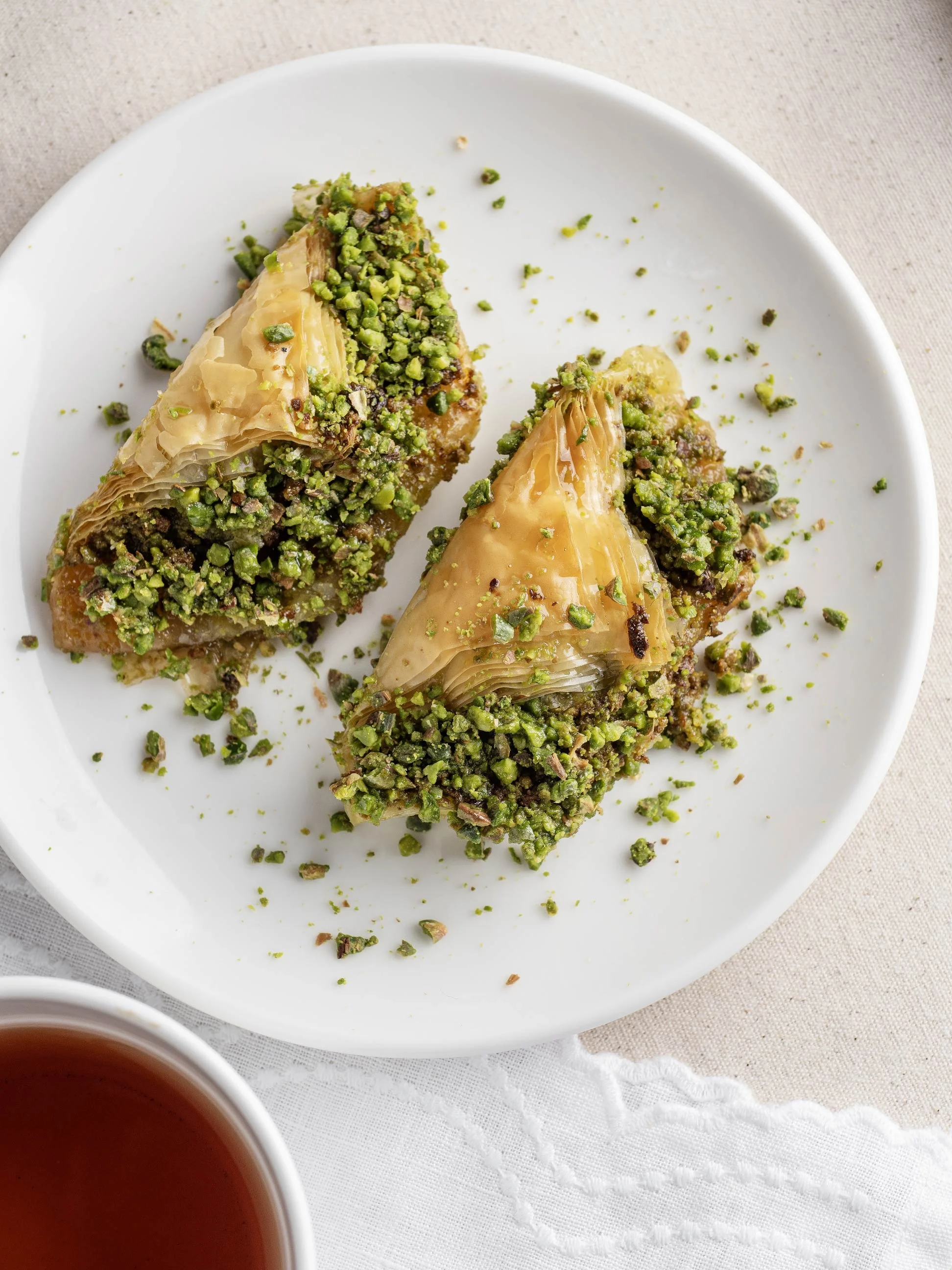
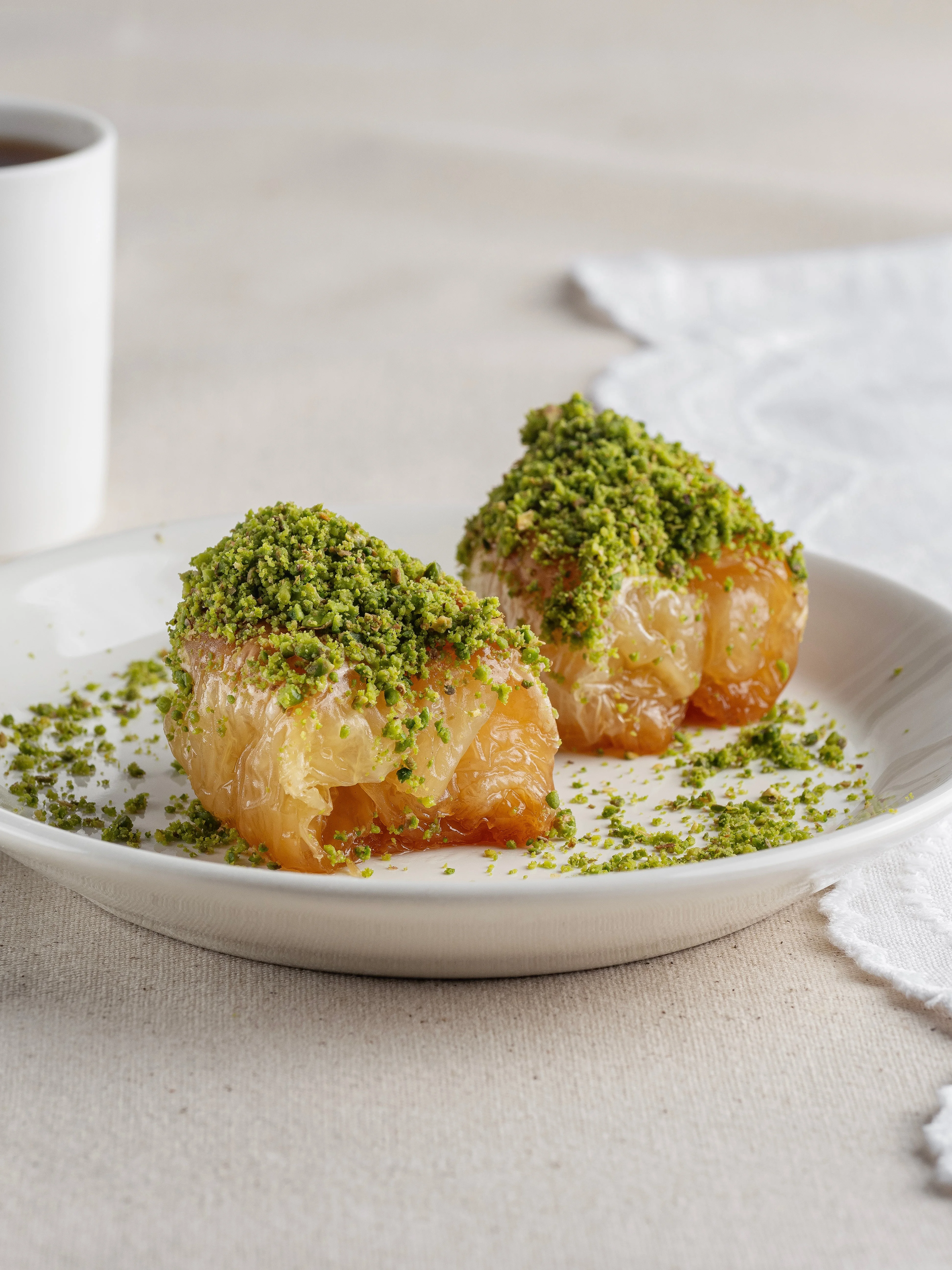
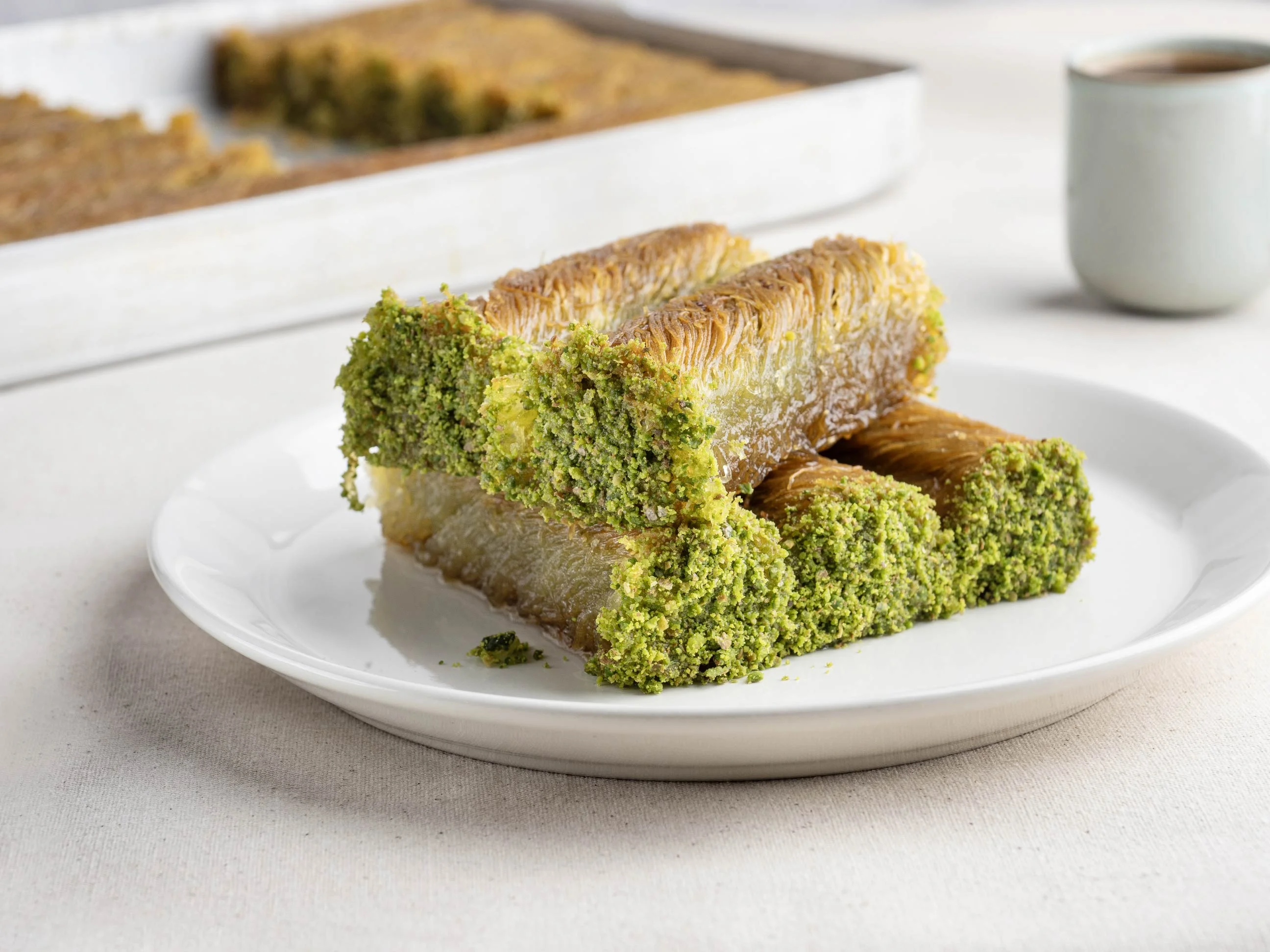
Picture a sweltering Istanbul evening in midsummer. The air sits heavy with humidity, the Bosphorus a flat silver mirror in the heat. On every other street corner, the warm caramel scent of freshly baked baklava drifts from the open doors of pastry shops — which is wonderful, but perhaps not exactly what you want when it is thirty-seven degrees outside. For decades, baklava was an autumn and winter pleasure, a dessert that suited cool evenings and the robust appetite of the cold months. Then, sometime around 2020, a quiet revolution arrived in the Turkish pastry world. Bakers began asking: what if baklava could be a summer dessert? What if we made it cold?
The Invention of Soğuk Baklava
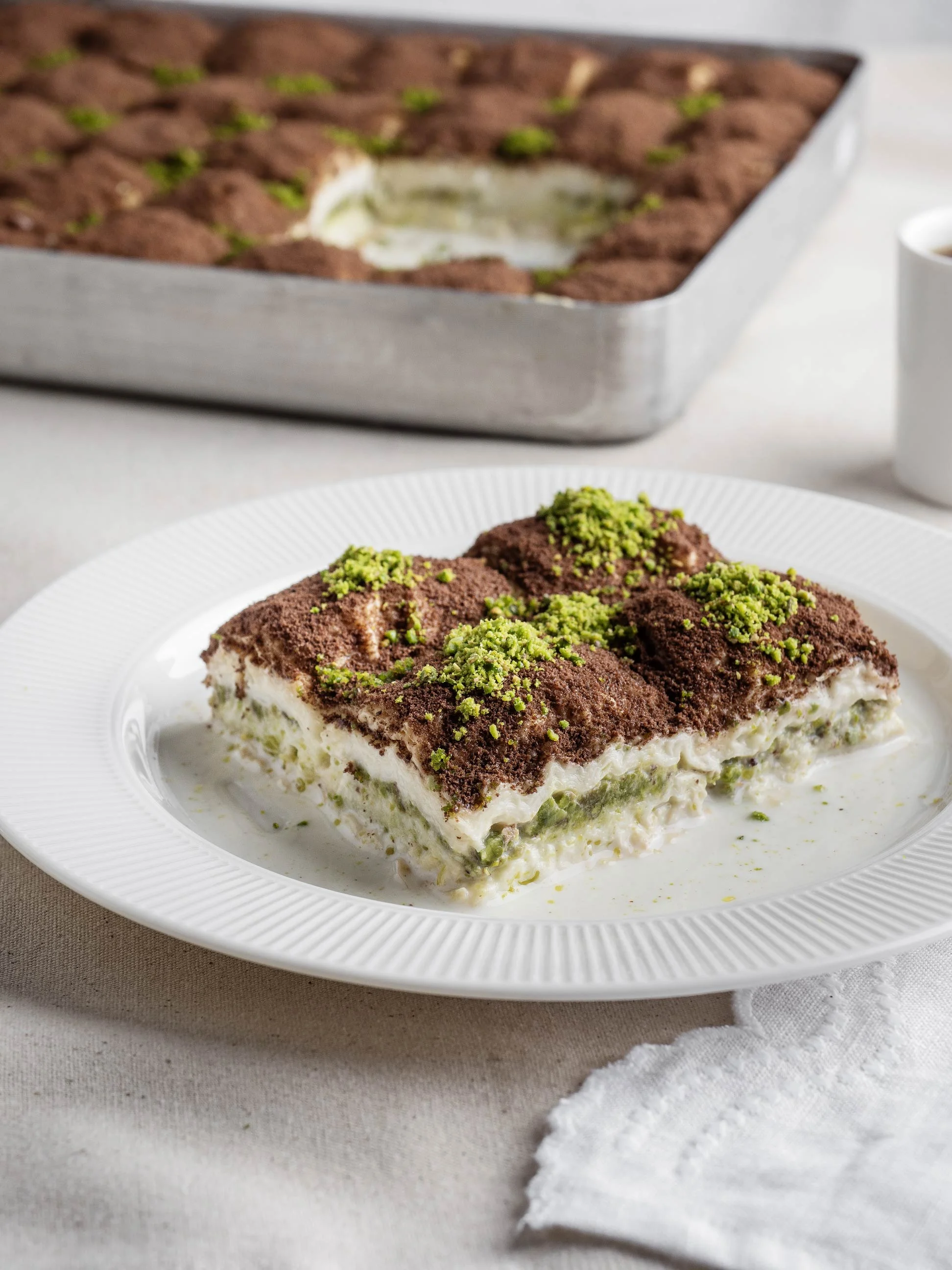
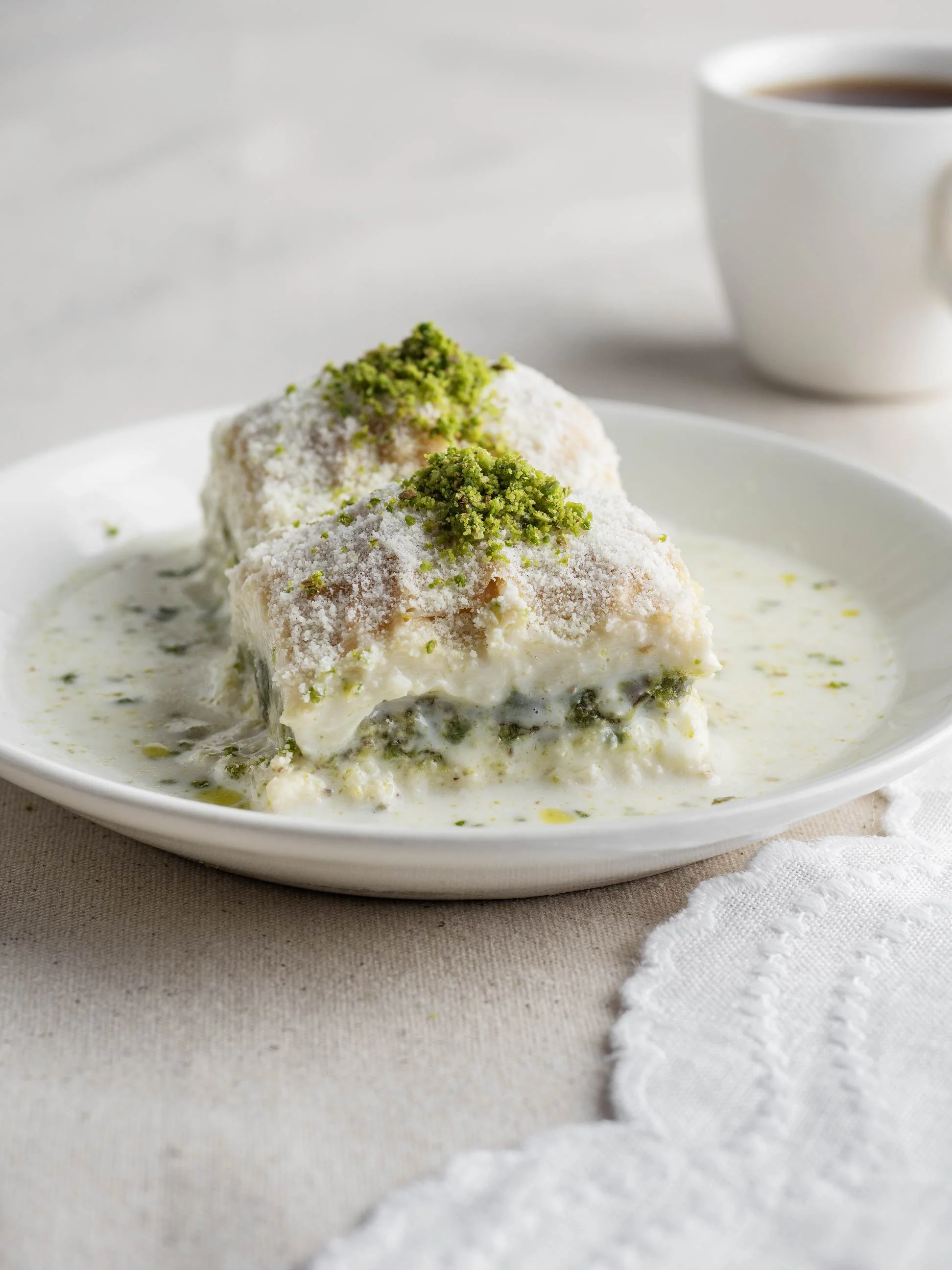
Cold baklava — soğuk baklava — did not appear fully formed overnight. It evolved in stages, driven by a generation of pastry chefs who had trained in traditional baklava-making but were unafraid to experiment. The most significant breakthrough came in Diyarbakır, another of Turkey's great pastry cities, where an innovative baker began substituting the traditional sugar sherbet with a gentler syrup made from milk and cream. The dairy softened the sweetness considerably, gave the pastry a creamier, more yielding texture, and — crucially — made the baklava far more appealing served cold, since the milk-based syrup didn't congeal or crystallise the way a pure sugar syrup does when refrigerated.
The addition of chocolate completed the transformation. A dusting of cocoa powder, a scattering of grated dark chocolate, or in more ambitious variations, a full coating of tempered couverture — these additions gave cold baklava a flavour profile that was simultaneously familiar and entirely new. The nuttiness of the pistachio, the delicacy of the phyllo, the gentle warmth of the dairy syrup, and the bittersweet depth of good chocolate: four flavours that have no business being together but somehow achieve something remarkable in combination.
What Makes It Genuinely Different
People who first encounter cold baklava expecting a simple refrigerated version of traditional baklava are always surprised. They are different desserts. The distinction begins with the syrup. Traditional baklava uses a hot sugar-and-lemon sherbet poured at precise temperature contrast to seal the pastry layers and achieve that famous crisp-tender paradox. Cold baklava uses a milk-and-cream syrup that is poured warm, absorbed more gently, and produces a unified, creamy softness throughout. The phyllo layers, instead of remaining individually distinct and crunchy, begin to meld together into something closer to mille-feuille — still laminated and delicate, but cohesive rather than shatteringly crisp.
The serving temperature amplifies this difference. When you eat cold baklava straight from the refrigerator, the chill slows the melt of the dairy syrup on your tongue, releasing flavours gradually rather than all at once. The pistachio, in this context, comes through differently — cooler and more distinctly nutty, without the roasted warmth that heat imparts. The chocolate, if present, is firm and snaps cleanly when you press the fork through. It is a more contemplative dessert than its ancestor, one that rewards slow eating.
"Cold baklava is what happens when a tradition trusts itself enough to ask what it could become. The answer, it turns out, is extraordinary."
A World of Varieties
In the few years since cold baklava emerged as a distinct category, it has branched into an entire sub-genre of Turkish pastry. The varieties now available reflect the creativity of a tradition that has found a new frontier to explore.
Dark Chocolate
The original and still the benchmark. Bitter cocoa cuts through the dairy sweetness, creating a dessert that feels sophisticated and adult. Best with high-quality single-origin chocolate.
White Chocolate
Sweeter and more overtly luxurious. White chocolate amplifies the creaminess of the milk syrup and creates a visual elegance — ivory over gold — that is striking on the plate.
Strawberry & Berry
Fresh fruit compote or coulis replaces the chocolate, giving cold baklava a seasonal brightness. The acidity of the fruit provides the contrast that chocolate achieves through bitterness.
Milk Chocolate & Hazelnut
The most approachable variety for those new to cold baklava. Smooth milk chocolate and roasted hazelnut create a warmly familiar flavour that needs no defending.
Serving, Storage, and the Question of Timing
Cold baklava is a more demanding guest than its traditional counterpart. It must be kept refrigerated at all times — the dairy content makes this non-negotiable — and it should be consumed within two to three days of preparation, compared to the weeks-long shelf life of traditional sugar-syrup baklava. This is part of its nature: cold baklava is a fresh product, made for the moment, not for the pantry shelf.
The optimal serving temperature is between four and eight degrees Celsius — the typical range of a domestic refrigerator. At this temperature, the texture is firm enough to cut cleanly, the chocolate has snap, and the flavours are vivid and distinct. If left to warm to room temperature, the dessert softens towards something closer to a mousse — pleasant, but a different experience entirely. Some people prefer it this way; we think the chill is part of the point.
At Saytad, we prepare cold baklava in limited daily batches, always to order for same-day or next-day delivery. There is no batch from yesterday on our shelves. This discipline is what the dessert demands, and it is, we think, what makes cold baklava at its best an intensely pleasurable thing: a dessert that could only exist in this specific moment, in this specific temperature, made just hours ago, already beginning its short and glorious life.
The Traditionalists Were Right to Be Sceptical
When cold baklava first appeared, the reaction from Turkish baklava purists was, predictably, sceptical. Baklava with dairy? Baklava with chocolate? Baklava served cold, when the whole point of baklava was the warm rush of syrup and the crisp, fragrant heat of the oven? The scepticism was understandable and, in a way, honourable. The tradition they were protecting had taken centuries to perfect, and the idea of dismantling even part of it for the sake of novelty was legitimately concerning.
What changed their minds — gradually, then rapidly — was not argument but experience. You cannot taste a perfectly made cold baklava and maintain a principled objection to its existence. The dessert is too good, too genuinely different, too clearly its own thing rather than a diminished version of the original. Cold baklava does not replace traditional baklava. It extends the world of Turkish pastry into a new season, a new temperature, a new mood. The tradition grew. And that, ultimately, is what living traditions do.